Many people misunderstand the term hentai and its deep cultural roots. This confusion hides a complex history of Japanese art and storytelling that spans decades. This definitive guide breaks down the origins, art styles, and evolution of hentai manga and anime to give you clear, accurate insights.
The True Meaning of Hentai
In Japan, the word hentai actually means “transformation” or “abnormality.” Japanese people do not use the word to describe adult anime or manga. Instead, Western audiences adopted the term during the 1990s to label explicit Japanese animation. Today, the global internet uses hentai to describe a specific genre of adult animated media originating from Japan.
A Brief History of Japanese Erotic Art
The roots of this medium trace back centuries. During the Edo period (1603–1867), artists created shunga, which were woodblock prints depicting erotic scenes. According to the British Museum, shunga served as both art and educational tools for couples. Modern hentai evolved directly from these traditional artistic practices. As technology advanced, hand-drawn prints transformed into the animated and digital formats we see today.
How Hentai Differs From Standard Anime
Standard anime targets general audiences with varying genres like action, romance, or sci-fi. Hentai focuses strictly on adult themes and sexual content. The visual style often shares the same big eyes, colorful hair, and exaggerated expressions as regular anime. However, the narrative structure exists primarily to facilitate adult situations rather than build complex, non-sexual plotlines.
Exploring Hentai Manga and Comics
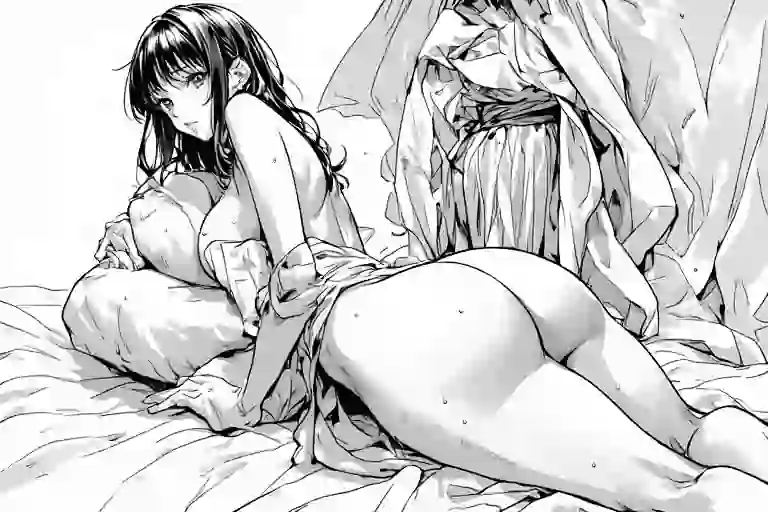
Hentai manga refers to explicit comic books or graphic novels. Artists draw these by hand or digitally, publishing them in thick monthly magazines. A single hentai comic usually features a self-contained story. Readers enjoy these comics because they offer highly detailed artwork and slower pacing compared to animation. The panels allow artists to showcase intricate character designs and emotional expressions.
The Rise of Hentai Games
Hentai games introduce interactivity to the medium. These range from simple text-based adventures to fully animated visual novels. Players make choices that directly alter the story and its outcomes. The Encyclopedia of Contemporary Japanese Culture notes that these interactive titles gained massive popularity in the 1980s with the rise of home computers. Today, developers build these games with advanced 3D graphics and branching narratives.
Understanding Uncensored Hentai and Censorship Laws
Japanese law strictly dictates how artists publish adult material. Article 175 of the Criminal Code requires creators to blur or obscure genitalia. This creates a high demand for uncensored hentai outside of Japan. Western publishers often license these works and remove the digital blurs. Fans seek out uncensored versions to experience the artwork exactly as the creator originally drew it.
The Role of Digital Archives Like E-Hentai
Digital libraries changed how fans access adult comics. Platforms like e hentai act as massive archives where users upload, tag, and organize thousands of doujinshi (self-published works). The e-hentai system uses complex tagging to help users find highly specific genres. These archives preserve older, out-of-print materials that would otherwise disappear. They serve as vital digital museums for this specific art form.
Finding New Hentai Releases
The industry produces new hentai at a rapid pace. Animators release new episodes monthly, often adapting popular hentai manga into short animated series. Fans follow dedicated blogs, subscription services, and online forums to track upcoming releases. Social media channels also announce launch dates for highly anticipated projects. Staying updated requires following community hubs that monitor Japanese release schedules.
Common Themes and Genres
Like mainstream media, this medium features distinct genres. Creators often explore fantasy, sci-fi, romance, and horror settings. Common tropes include isekai (transported to another world) and slice-of-life scenarios. These themes provide a framework for the characters and situations. The sheer variety ensures that fans of almost any standard anime genre can find an adult counterpart.
The Global Influence of Hentai Haven
Streaming sites completely transformed the distribution of adult anime. Sites like hentai haven became massive hubs for global audiences seeking free, translated content. These platforms forced the industry to recognize Western demand. While copyright issues plague these sites, their cultural impact remains undeniable. They introduced millions of international viewers to Japanese adult animation.
The Artistic Techniques Behind the Medium
Creating these works requires serious artistic skill. Animators use techniques like limited animation to save time while maintaining high frame rates during key scenes. Manga artists master anatomy, lighting, and perspective to create dynamic panels. The dedication to visual quality separates professional publications from amateur works. Top artists command significant respect within the illustration community.
Medium Comparison Table
| Medium | Primary Format | Typical Length | Key Feature |
| Hentai Manga | Printed/Digital Comic | 20-200 Pages | High-detail static artwork |
| Hentai Comics | Webtoons/Strips | 5-50 Pages | Full-color digital layouts |
| Hentai Games | Visual Novels | 5-50 Hours | Player choice and branching paths |
| Animated Series | Video Episodes | 15-30 Minutes | Motion, voice acting, and sound |
Frequently Asked Questions
What is hentai?
Hentai is a Western term for explicit Japanese anime and manga featuring adult themes and sexual content.
Is hentai legal?
Yes, viewing and creating this content is legal in most Western countries, though it must feature fictional, non-underage characters to comply with laws.
Where can I read hentai manga?
Readers can find these comics on digital archive platforms like e-hentai, licensed publisher websites, and specialized online bookstores.
Why is hentai censored in Japan?
Japanese Article 175 criminalizes the distribution of obscene materials, forcing artists to blur genitalia to avoid legal prosecution.
How often does new hentai release?
Studios and publishers release new animated episodes and manga chapters weekly or monthly, matching the pace of standard anime.
What are hentai games?
These are interactive adult video games, usually visual novels, where player choices dictate the story and character interactions.
Explore the Art Form Further
Understanding this medium requires looking past surface-level assumptions. It represents a massive, highly profitable sector of the Japanese entertainment industry. The artistry, storytelling mechanics, and cultural history deserve serious study. Dive deeper into specific genres, track new releases, and explore the rich history of Japanese illustrated art to fully appreciate this unique global phenomenon.
Sources:
- British Museum – Shunga: Japanese Erotic Art
- Encyclopedia of Contemporary Japanese Culture – Media and Pop Culture Sections
- Kinema Club – Academic Journal of Japanese Film and Animation Studies