Semana Santa
Semana Santa, or Holy Week, is one of the most important religious and cultural events in the Christian calendar. Celebrated with devotion, parades, and family gatherings, it commemorates the last week of Jesus Christ’s life, including his crucifixion and resurrection. While Semana Santa is observed worldwide, countries like Mexico, Guatemala, and Spain celebrate it with unique local traditions.
Whether you are planning vacations, learning about cultural festivals, or exploring religious heritage, understanding Semana Santa is both enlightening and enjoyable. This guide provides all the details, from dates in 2025 and 2026 to celebrations and customs across Latin America.
What is Semana Santa?
Semana Santa is the Spanish term for Holy Week. It begins on Palm Sunday and ends on Easter Sunday. The week commemorates the key events of Jesus Christ’s final days, including his entry into Jerusalem, his crucifixion on Good Friday, and his resurrection on Easter Sunday.
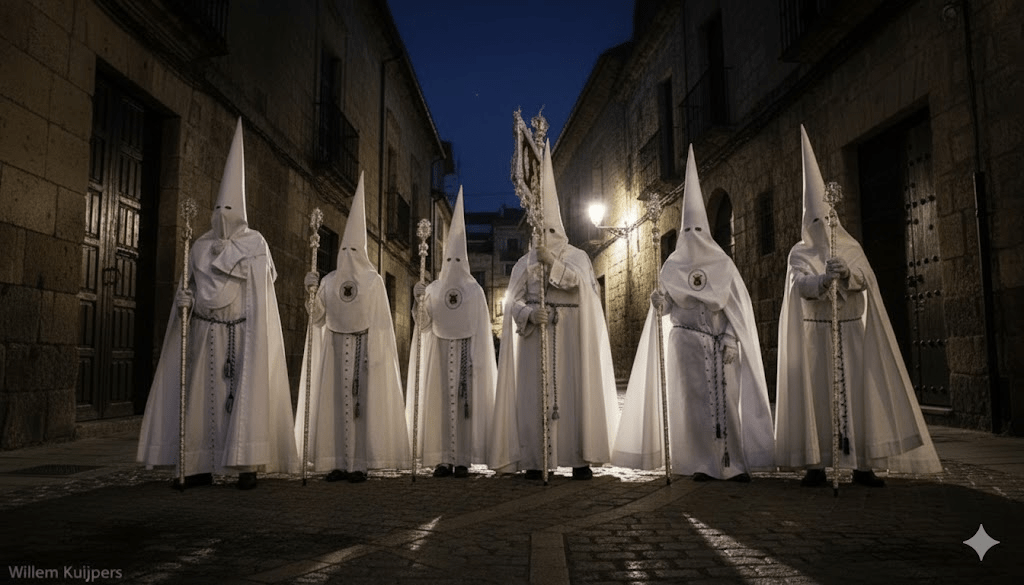
This period is marked by religious ceremonies, processions, and reenactments of biblical events. Many cities organize parades featuring floats, religious icons, and participants in traditional robes. Semana Santa is also a time for family gatherings, reflection, and sometimes vacations.
When is Semana Santa 2025?
For 2025, Semana Santa falls between April 13th (Palm Sunday) and April 20th (Easter Sunday).
Here’s a detailed table of key dates:
| Event | Date 2025 | Date 2026 |
|---|---|---|
| Palm Sunday | April 13, 2025 | March 29, 2026 |
| Holy Monday | April 14, 2025 | March 30, 2026 |
| Holy Tuesday | April 15, 2025 | March 31, 2026 |
| Holy Wednesday | April 16, 2025 | April 1, 2026 |
| Maundy Thursday | April 17, 2025 | April 2, 2026 |
| Good Friday | April 18, 2025 | April 3, 2026 |
| Holy Saturday | April 19, 2025 | April 4, 2026 |
| Easter Sunday | April 20, 2025 | April 5, 2026 |
Why Semana Santa is Important
Semana Santa is not only a religious observance but also a cultural celebration. It reminds people of the sacrifice of Jesus Christ and offers an opportunity for spiritual reflection. Communities come together to honor traditions, including music, processions, and special prayers.
For travelers, Semana Santa provides a glimpse into rich cultural heritage. For locals, it’s a moment to pass traditions to younger generations. It is also associated with vacations, family meals, and local festivities, making it a blend of faith and social bonding.
Semana Santa Traditions in Mexico
In Mexico, Semana Santa is celebrated with passion and color. Cities like Taxco, San Luis Potosí, and Oaxaca host elaborate processions, featuring religious floats called andas. Participants often dress in purple robes, symbolizing penance.
Other customs include reenactments of the Passion of Christ, traditional food such as capirotada (a type of bread pudding), and visits to churches. Semana Santa en Mexico 2025 promises vibrant celebrations and deep cultural experiences for both locals and tourists.
Semana Santa in Guatemala
Guatemala is famous for its Semana Santa celebrations, especially in Antigua. The city is decorated with colorful sawdust carpets (alfombras de aserrín) and elaborate floats. Processions include statues of Jesus, the Virgin Mary, and saints, often accompanied by music and candlelight.
Visitors often travel specifically to witness these events. Semana Santa Guatemala offers a unique mix of devotion, art, and community engagement that attracts people from around the world.
Vacaciones de Semana Santa 2025
Many schools and offices in Latin America schedule breaks during Semana Santa. Vacaciones de Semana Santa 2025 allow families to travel, participate in religious events, or simply rest. Popular destinations include beaches, mountains, and historical towns where celebrations are most vivid.
Planning ahead is important since hotels and travel services are in high demand. Travelers often look for information like “cuando empieza la Semana Santa 2025” or “cuando cae Semana Santa 2025” to coordinate their trips efficiently.
How Semana Santa Dates are Calculated
Semana Santa dates change each year because they depend on the lunar calendar. Easter Sunday is celebrated on the first Sunday after the first full moon following the spring equinox. All other events, like Palm Sunday and Good Friday, are calculated backward from Easter Sunday.
This explains why Semana Santa 2025 differs from Semana Santa 2026. Understanding this system helps in planning vacations, school holidays, or religious observances.
Semana Santa 2020, 2024, and 2026 Overview
To provide context, here are some past and upcoming Semana Santa dates:
This timeline helps compare celebrations across years and track traditional observances.
Common Semana Santa Symbols
Several symbols are widely used during Semana Santa:
- Palm branches – Represent Jesus’ entry into Jerusalem
- Purple robes – Signify penance and mourning
- Floats (andas) – Carry religious statues through streets
- Candlelight – Symbolizes hope and devotion
These symbols vary by region but hold deep religious meaning universally.
Semana Santa Activities for Families
Families often participate in church services, local processions, and cultural events. Cooking traditional meals, visiting historical towns, and creating religious crafts are common. Children learn the significance of Holy Week while enjoying community festivities.
Vacaciones de Semana Santa 2025 are an ideal time for these activities, blending faith, culture, and family bonding.
Tips for Visiting Semana Santa Celebrations
- Plan trips early to secure accommodations.
- Respect religious customs during processions.
- Wear comfortable shoes for walking in crowded streets.
- Take part in cultural activities to understand local traditions.
- Capture photos respectfully; some events may have restrictions.
FAQs About Semana Santa
Q1: When is Semana Santa 2025?
A: Semana Santa 2025 runs from April 13th to April 20th.
Q2: What is Semana Santa?
A: It’s Holy Week, commemorating Jesus Christ’s last days and resurrection.
Q3: When does Semana Santa start in 2025?
A: Palm Sunday, April 13th, marks the beginning.
Q4: Where is Semana Santa celebrated the most?
A: Major celebrations happen in Mexico, Guatemala, Spain, and other Latin American countries.
Q5: Are there vacations during Semana Santa?
A: Yes, many schools and offices have breaks for family and travel.
Q6: What are traditional Semana Santa foods?
A: Dishes like capirotada, fish, and special pastries are common during the week.
Conclusion
Semana Santa is a beautiful blend of faith, culture, and community. From Mexico to Guatemala, each celebration offers unique traditions, colors, and experiences. Whether attending a procession, enjoying vacations, or learning about religious history, Semana Santa connects generations and spreads joy.
For More Blog Click Here
About the Author
