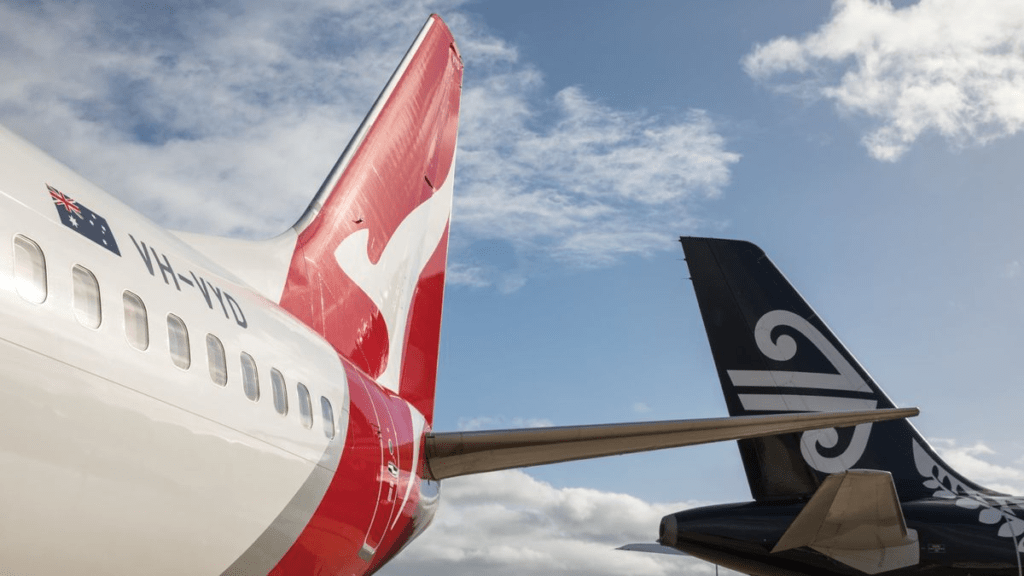
The UK Foreign, Commonwealth & Development Office (FCDO) has expanded the list of destinations covered by the updated travel advice. Australia and New Zealand have been added, even though both countries are thousands of kilometres from the conflict zone.
The reason is simple: the global network of flight routes is structured so that a significant share of flights from Europe to Oceania passes through Middle Eastern airspace or involves transit stops at airports in the region. The closure of air corridors, mass cancellations and flight rescheduling are creating a domino effect felt even by passengers whose destination is not directly related to the escalation.
The changes affect not only direct departures but also connecting itineraries, transit connections and timetables, which airlines are adjusting in real time.
Why the FCDO is warning of ‘major disruption’
Rising tensions in the Middle East have triggered a chain reaction in global air travel. The closure of airspace over certain territories is forcing carriers to take longer routings, increasing flight times and often making services economically unviable. The outcome is predictable: delays, cancellations and aircraft diversions.
The department issued a direct warning: “The escalation in the Middle East has caused major travel disruption, including airspace closures, flight delays and cancellations. Your travel plans may be affected.” Typical consequences for passengers include last-minute changes to connecting itineraries, hours-long departure delays, and the complete cancellation of certain routes with no clear timeframe for schedules to be restored.
What those planning to travel to Australia or New Zealand need to know
The FCDO urges travellers planning to fly to Oceania to check for the latest advisories regularly both before departure and throughout the journey. Particular attention should be paid to transit points: if your itinerary includes a connection at one of the Middle Eastern hubs, the likelihood of schedule changes remains high.
The department recommends that passengers take three specific steps before departure:
- Check your travel insurance policy and make sure it covers trip disruption and flight cancellations.
- Monitor local and international news, as well as updates from airlines and airports.
- Sign up for FCDO email alerts to receive travel advice directly from the department.
What should you do while waiting for your flight?
It’s also important to be prepared for long waits at airports. Many travelers rely on having a smartphone with them to listen to music, watch movies, or play games. Gambling can also help pass the time while traveling to Australia or New Zealand, especially with the option to use casino free spins no deposit. However, these forms of entertainment are suitable only for adults who are capable of exercising self-control.
However, to play you need a reliable internet connection, and that can be difficult. In addition, depending on how long you are waiting, your phone may run out of battery, and you may not always be able to charge it. Therefore, it is recommended that you take a book with you when travelling, as well as simple games, such as a deck of cards. This will help you avoid getting bored even if you have to spend a long time at the airport.
What to do—and what to watch out for—if your flight is cancelled
If your flight is disrupted, the first step should be to contact the airline directly or the travel agent through whom you made the booking. You should prepare your flight details and booking reference in advance. A refund may be provided either as a cash refund or as a rebooking voucher, and the specific option is determined by the airline’s policy.
Separately, the FCDO highlights an important nuance: if a passenger is flying with an airline registered outside the UK or the EU, and the departure is from an airport outside those jurisdictions, the airline’s obligations in the event of cancellation may differ significantly from the passenger-protection standards you may be used to in Europe.
Hundreds of thousands of people are unable to leave the Middle East
The scale of the problem goes far beyond inconvenience for holidaymakers. Amid the conflict involving the US, Israel and Iran, hundreds of thousands of people have been stranded in the region. Among them are many British nationals who are looking for any available way to return home. The FCDO said: “The safety of British nationals remains our top priority. You should continue to follow FCDO advice and the instructions of the UAE’s local authorities.”
How the UK government is helping its citizens in the crisis zone
Britons in Bahrain, Israel, Kuwait, Lebanon, Palestine, Qatar and the UAE can register their presence through an FCDO system. It allows them to receive direct updates and instructions from the department if the situation deteriorates. In parallel, the government is organising evacuation flights: a third charter flight to bring British nationals out was due to depart from Muscat (Oman) on Sunday shortly before 19:00 London time. In addition, the authorities plan to charter a commercial flight from Dubai early this week.