Türosette
Introduction: What “Türosette” Means in Simple Words
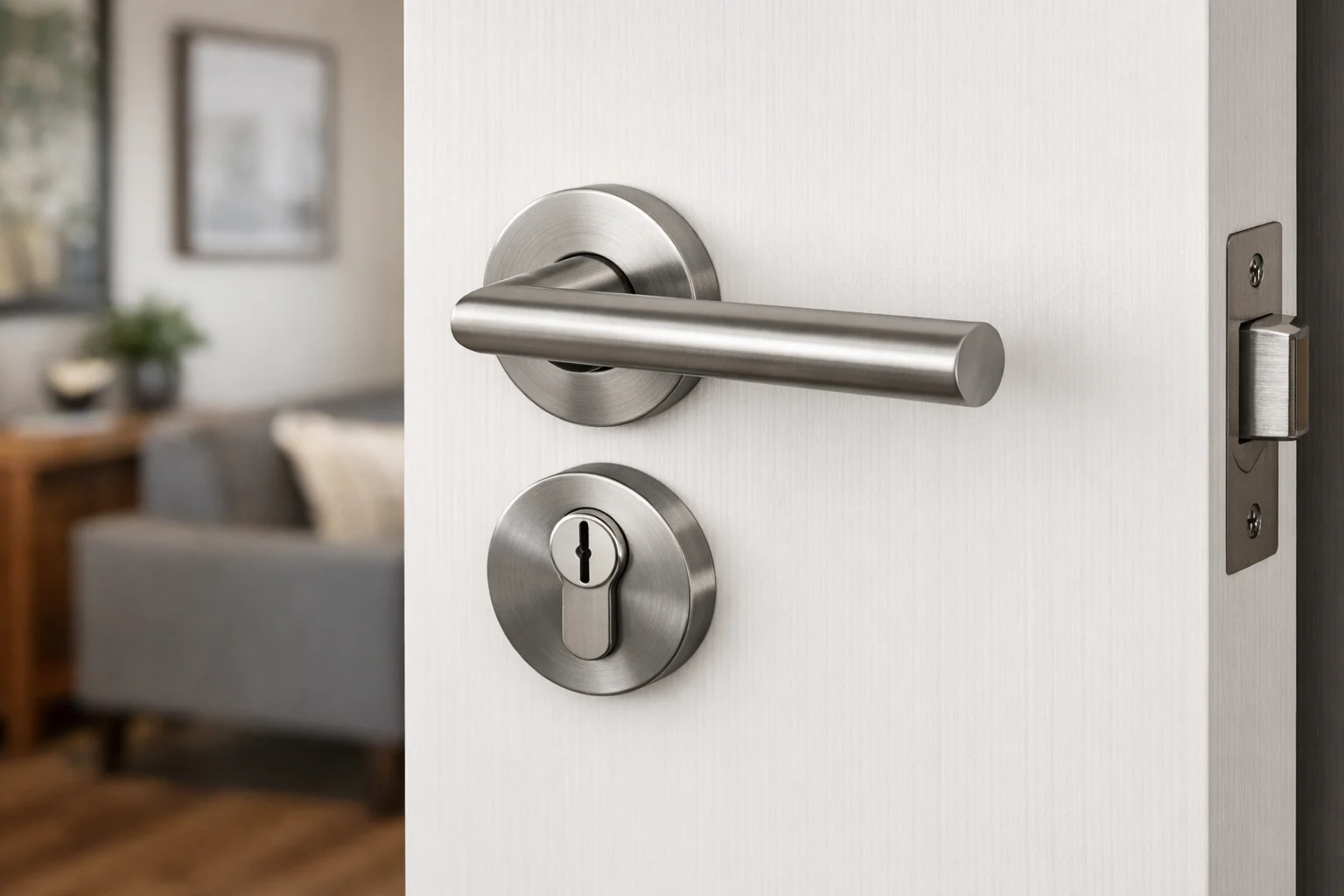
Türosette is the small round or square plate around a door handle or keyhole. Some people call it a door rose. It may look tiny, yet it changes how a door feels and looks. It covers rough drill holes. It hides screws. It protects the door surface from scratches. It also gives the handle a neat, finished look. Many homes in the U.S. use long backplates, yet rosette-style hardware is getting popular in remodels. People like the clean shape.
They like the easy swap. They also like the upgrade feeling without replacing the full door. A Türosette can be used on interior doors, entry doors, office doors, and even garage access doors. In short, it is a small part that makes a big difference.
What a Türosette Does on a Door
A Türosette has a simple job. It sits between the door and the handle set. This adds a clean border that keeps the wood or metal safe. Every time you touch the handle, small rubbing happens. Over months, that rubbing can leave marks. The rosette takes that wear instead of the door. It also helps keep the handle area stable. When the screws are tight and the plate sits flat, the handle wiggles less.
A loose handle feels cheap. It can also stress the latch over time. On entry doors, a matching key rosette can cover the keyhole area and keep it neat. Some rosettes also support stronger lock setups when paired with good hardware. The best part is the look. A Türosette makes the door feel “finished.”
Door Rose vs Backplate: Why Many People Pick a Türosette
A backplate is the long plate that runs behind the handle. It is common in older homes. It covers a lot of the door face. A Türosette is smaller and cleaner. It gives a modern, simple shape without extra metal lines. This is useful when you want a calm look. It is also useful when you want to mix handle styles across rooms. With a rosette setup, you can swap handles more easily.
You can also change only the rosette if it gets scratched. A backplate often needs more matching parts. A rosette also helps in tight spaces. On some doors, trim pieces or glass details make long plates look crowded. A Türosette gives breathing room around the handle. People doing quick upgrades love that it looks premium without a major project.
Types of Türosette: Handle, Key, Privacy, and Dummy
Not every Türosette is the same. Most doors need a handle rosette on each side. This is the plate behind the lever or knob. Some doors also need a key rosette. That is the plate around the keyhole. Bedroom and bathroom doors often use a privacy lock. Those sets may use a privacy rosette with a thumb-turn. Closet doors may use a dummy handle. That means it does not turn the latch.
It still uses a rosette for the clean look. Entry doors can use a cylinder or deadbolt system. In that case, the rosette choice must match the lock type. When buying, think about the door’s job first. Then pick the rosette style that matches that job. A Türosette set looks best when handle rosettes and key rosettes match in shape and finish.
Best Materials: Stainless Steel, Brass, Aluminum, and Zinc
Material changes feel, weight, and life. Stainless steel feels solid and clean. It fights rust well and suits busy doors. Brass feels warm and heavy. It can look classic or luxury, based on the finish. Aluminum is light and often costs less. It fits interior doors well. Zinc alloys are common in budget hardware. They can still look nice with good plating. The right pick depends on where the door is.
A steamy bathroom needs rust resistance. A front door needs strength and weather tolerance. A kids’ room needs parts that handle rough use. A Türosette is touched a lot, so the finish quality matters too. Cheap plating can scratch fast. Better finishes hold up longer and clean easier. If your home has mixed metals, choose a rosette finish that ties the room together instead of fighting it.
Shapes and Finishes That Look Great in U.S. Homes
Most Türosette plates come in round or square shapes. Round feels soft and classic. Square feels sharp and bold. Some designs have thin edges for a minimal look. Others have raised edges for a richer look. Finish choices are huge. Satin nickel is popular because it hides fingerprints well. Matte black looks strong and fits modern interiors. Polished chrome looks bright and clean.
Oil-rubbed bronze adds a warm, darker tone. Brushed brass gives a high-end feel without being too shiny. Try to match the rosette to other items in the room. Look at hinges, light fixtures, towel bars, and cabinet pulls. A small match makes the space feel planned. If you want a safe choice, satin nickel and matte black work in many rooms and stay stylish for years.
Sizes and Door Prep: Getting the Fit Right
Fit is where many people mess up. Doors have bore holes for the handle set. The Türosette must cover those holes with a clean edge. If the rosette is too small, you may see gaps. If it is too big, it may look bulky. Also check door thickness. Many U.S. interior doors are around 1⅜ inches. Many exterior doors are around 1¾ inches. Some doors are thicker. Hardware kits often support a range, yet not always.
Also check the latch backset, often 2⅜ or 2¾ inches in the U.S. This affects the handle set, not the rosette alone, yet it still matters for full fit. A good tip is to measure before you buy. Measure the hole spacing, door thickness, and the old plate size if you are replacing hardware.
Security and Strength: What a Türosette Can and Can’t Do
A Türosette improves the handle area, yet it is not magic armor. It can protect the door face from wear. It can help the handle sit tight and stable. Some security rosettes are built thicker and harder to pry. These can help when paired with strong locks and a solid door frame. Still, real security comes from the full system. That includes the deadbolt, strike plate, long screws, door jamb strength, and the door slab itself.
Think of the rosette as part of the “finish and support” layer. On entry doors, choose a rosette made for exterior use. Pick solid metal and a strong mounting style. Avoid super thin plates on high-traffic doors. If you live in a windy or rainy area, focus on corrosion resistance and tight fit. Small gaps can trap moisture and dirt.
Installation: How to Install a Türosette Without Stress
Installing a Türosette is usually simple. First, remove the old handle set. Keep the screws in a safe spot. Clean the door area. Dust and old marks can stop a flat fit. Then test-fit the new rosette on the door. Check that it covers the holes cleanly. Next, align the handle spindle through the latch. Put the rosette in place. Tighten screws slowly, switching sides as you go.
This keeps pressure even. Do not over-tighten. Too much force can warp the rosette or dent the door skin. If your hardware uses a snap-on cover, tighten the base plate first. Then snap the cover over it. Test the handle. It should turn smoothly and return well. If it rubs, loosen slightly and re-center. Take your time with alignment. A clean fit looks premium even on a low-cost door.
Common Mistakes People Make With a Türosette
Many issues come from small errors. One common mistake is buying a rosette that does not match the handle brand. Some systems use unique mounts. Another mistake is ignoring door thickness. The screws may not reach, or they may bottom out. People also forget to check handiness on some lever sets. Then the lever points the wrong way. Another big mistake is uneven tightening.
That can pull the rosette to one side. It can also make the handle feel stiff. Some people paint doors and install hardware too fast. Wet paint can bond under the rosette and peel later. Let paint cure well first. Another mistake is mixing finishes in a messy way. A black handle with shiny chrome hinges can look off. A Türosette is small, yet the eye notices it at hand level. Planning the match avoids regret.
Detailed Table: Türosette Options Compared
This table helps you pick faster. Focus on where the door is, who uses it, and the look you want.
| Türosette Type / Material | Best For | Feel in Hand | Rust Resistance | Look Style | Budget Level |
|---|---|---|---|---|---|
| Stainless Steel Rosette | Entry doors, busy rooms | Solid, firm | High | Clean, modern | Mid to high |
| Brass Rosette | Classic homes, feature doors | Heavy, premium | Medium to high (finish matters) | Warm, rich | Mid to high |
| Aluminum Rosette | Interior doors, light use | Light | Medium | Simple, neat | Low to mid |
| Zinc Alloy Rosette | Quick upgrades, rentals | Medium | Low to medium | Depends on plating | Low |
| Square Rosette | Modern interiors | Sharp, bold | Depends on material | Minimal, strong | Varies |
| Round Rosette | Traditional interiors | Soft, familiar | Depends on material | Classic, calm | Varies |
A Türosette that matches your use case will last longer and look better. Plates that feel heavy and sit flat often age well.
Cost Guide: What You Should Expect to Pay in the U.S.
Prices can swing a lot. A basic Türosette and handle set for interior doors may cost less than a dinner out. Mid-range sets often bring better feel and smoother action. High-end sets can cost much more, yet they also bring strong finishes and better machining. On entry doors, cost matters more because weather and heavy use can punish cheap parts. A good way to shop is to pick the finish first, then compare quality.
Look at the thickness of the metal. Check how the rosette mounts. Look for tight tolerances and clean edges. Read reviews that mention long-term wear, not just first-day looks. If you are replacing many doors, buy one set first. Install it. Use it for a week. Then decide if you want the same line across the house. That small test can save you a lot of money and frustration.
Where to Use a Türosette: Rooms That Benefit Most
You can put a Türosette on almost any door. Some rooms benefit more. Bathrooms benefit because moisture can damage cheap plating. Kitchens benefit because grease and fingerprints build fast. Bedrooms benefit because privacy locks need smooth action. Home offices benefit because they often get used all day. Front doors benefit when the rosette matches a strong lock set and a good latch.
Garage access doors benefit too because they often get slammed. If you have kids, choose a finish that hides marks and cleans easily. If you have pets, pick hardware that stays tight and does not rattle. A rosette setup also works well on doors with glass panels. The clean, small plate does not distract from the door design. In many remodels, replacing old backplates with rosettes is one of the fastest ways to freshen the whole hallway.
Buying Checklist: How to Choose the Right Türosette Fast
Use a simple checklist. First, decide the door type: passage, privacy, keyed entry, or dummy. Second, measure door thickness and check your latch backset. Third, pick the shape: round or square. Fourth, pick the finish that matches your home. Fifth, pick the material based on location and traffic. Sixth, check the mounting style. Some are through-bolted and feel stronger. Seventh, think about cleaning.
Matte finishes hide prints better. Polished finishes show more marks. Eighth, buy from a seller with clear specs and return support. A Türosette is small, yet the wrong one can waste time. The right one makes the door feel smooth every day. If you want the safest path, choose a known brand, a solid metal rosette, and a finish that matches your hinges and knobs across the home.
Conclusion: A Small Upgrade That Makes Doors Feel Better
A Türosette is not a big, scary project. It is a simple upgrade that makes doors look clean and feel solid. It hides rough holes, protects the door face, and supports a stable handle setup. It also gives your home a “finished” look that visitors notice right away. If you want a quick win, start with one door you touch a lot. Many people start with the front door or the bathroom.
Pick a finish you love. Install it with care. Then see how the door feels after a few days. If you like the change, you can repeat it across the house room by room. That slow approach keeps the budget under control and keeps style choices consistent. If you want, tell me your door type and finish choice, and I can suggest a tight shopping checklist that fits U.S. door sizes.
FAQs About Türosette
1) Is a Türosette the same as a door rose?
Yes. A Türosette is a door rose style plate around a handle or keyhole. People use different names, yet the idea stays the same.
2) Can I add a Türosette to an old door?
In many cases, yes. If the door has standard holes for a handle set, you can install a new Türosette with a matching handle kit.
3) Round or square Türosette: which looks better?
It depends on your home style. Round feels classic. Square feels bold. Match it with your hinges and room hardware for the best look.
4) Will a Türosette stop a loose handle?
It can help a lot when mounted right. A Türosette supports the handle area and hides worn door marks. Still, the handle set quality matters too.
5) What finish hides fingerprints best?
Satin nickel and matte black often hide prints well. Polished chrome shows marks faster. A Türosette on a busy door benefits from a low-gloss finish.
6) Do I need a special Türosette for exterior doors?
Exterior doors face weather and heavy use. Pick a Türosette made from strong metal with good corrosion resistance and a tight mount style.
You May Also Like To Read: EuroGamersOnline.com PC Gaming Hub
About the Author
